
Forest School
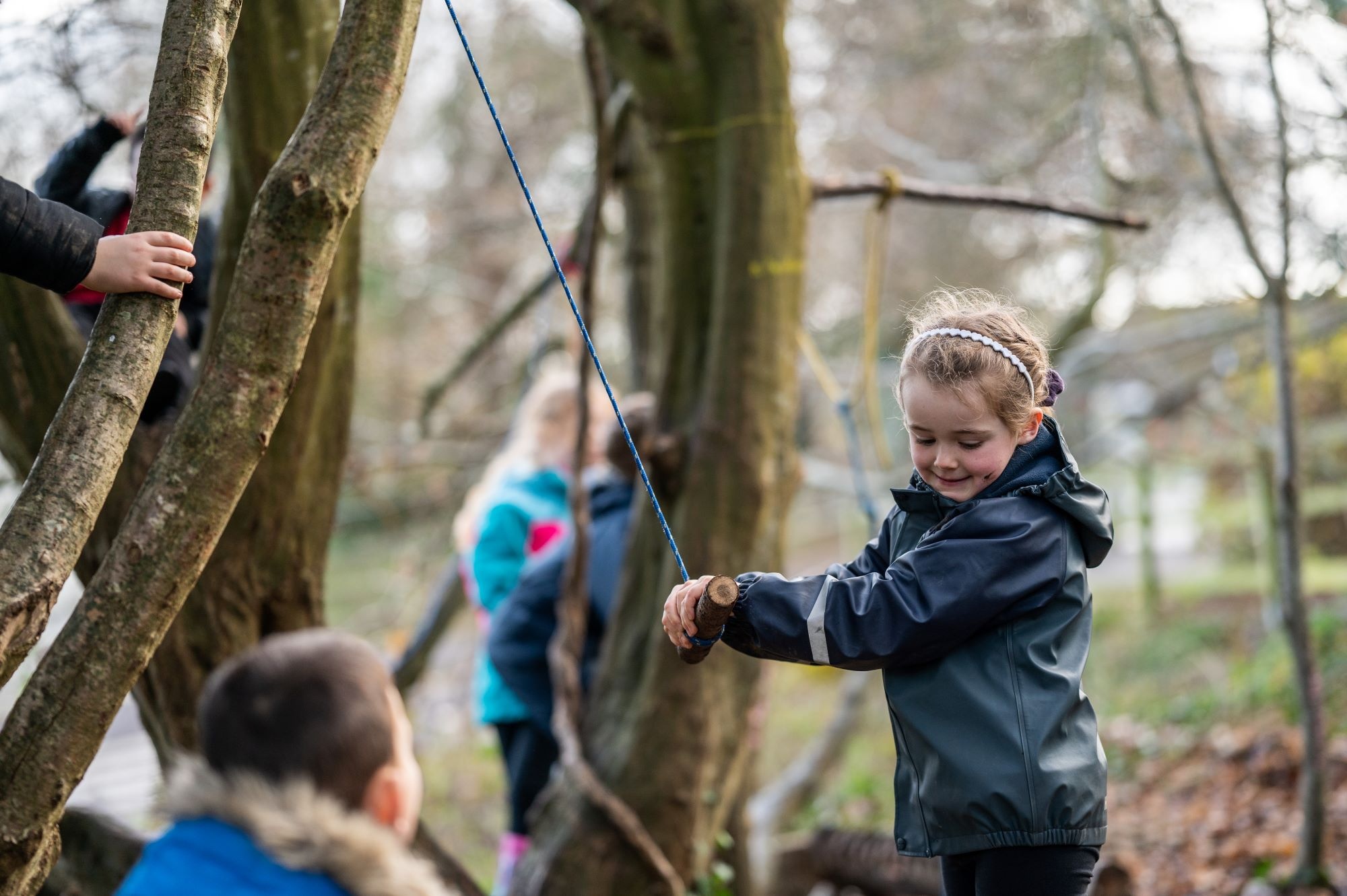
A woodland where children can be active, adventurous, explore, play and take supported risks.
One of the most distinctive features of Seaton Primary School is our mature on-site woodland. Tucked away within our school grounds, it provides children with a special place to learn, explore and connect with the natural world throughout the year.
While many schools offer occasional Forest School experiences, our woodland is woven into the life of the school. Children return to it again and again as they grow, building new skills, confidence and knowledge at each stage of their journey.
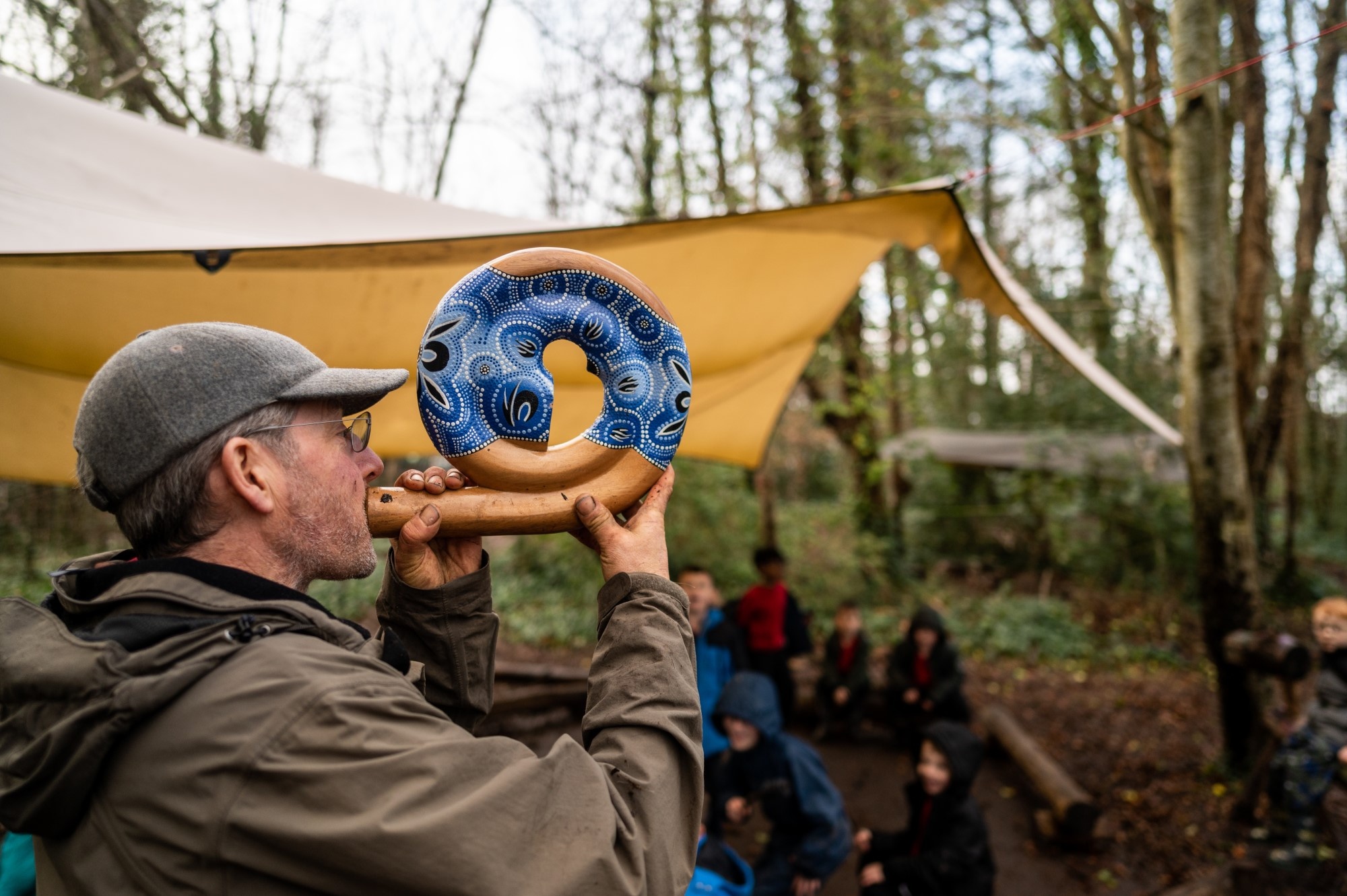
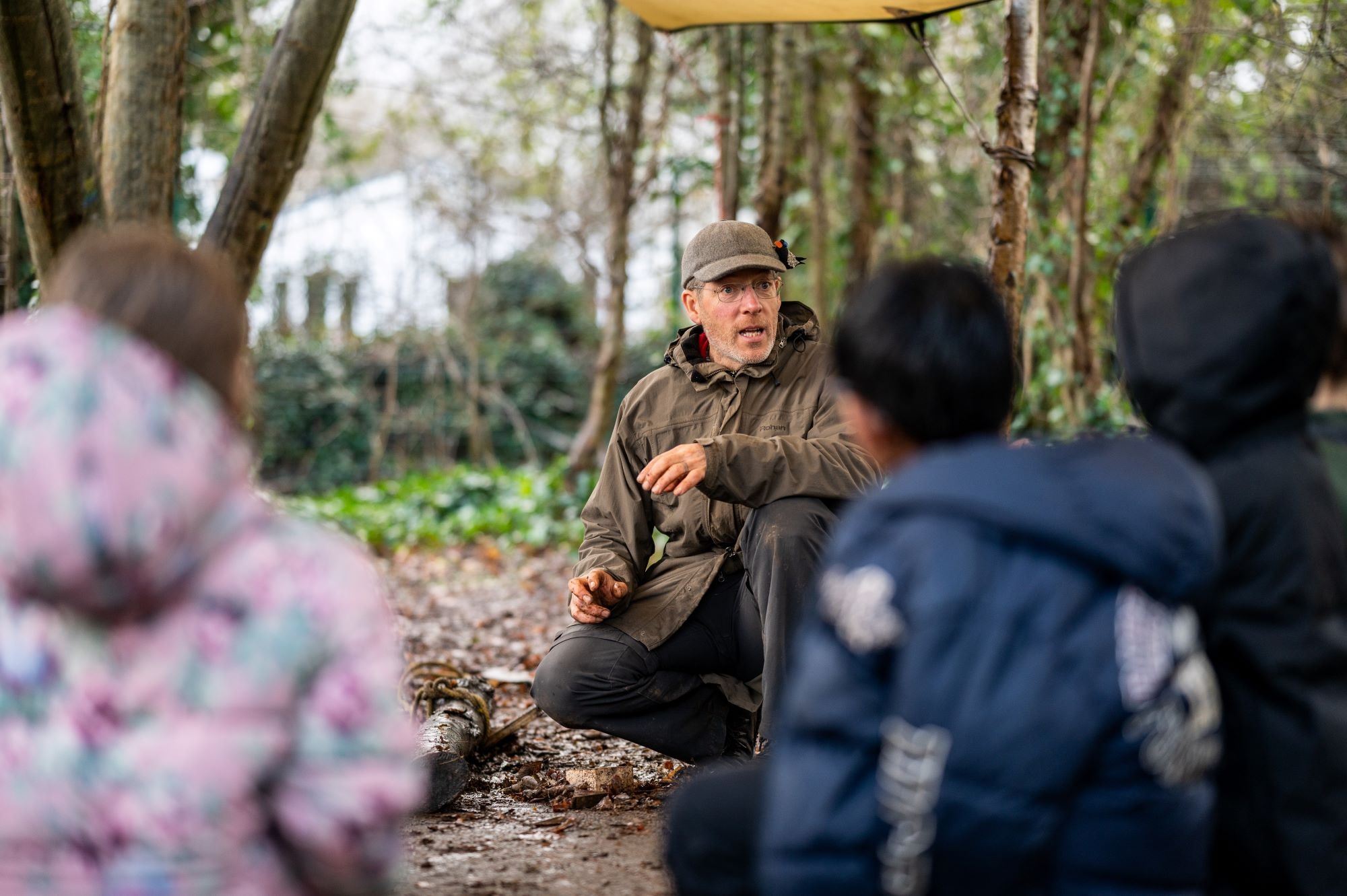
Our Forest School programme is led by Chris Holland, a highly experienced Forest School Leader, nature educator and published author who has been inspiring children to learn outdoors for over 20 years. Through his expertise, children experience high-quality outdoor learning that is purposeful, engaging and full of opportunities for discovery. For more info please visit www.wholeland.org.uk.
The WILD Passport Curriculum
Children taking part in Forest School follow the WILD Passport, a progressive outdoor learning curriculum that helps them develop practical skills and become increasingly confident, capable and independent learners.
Through their woodland experiences, children learn to:
- Care for themselves
- Care for others
- Care for the Earth
- Develop practical outdoor skills
- Work collaboratively
- Build resilience and perseverance
- Understand and appreciate the natural world around them
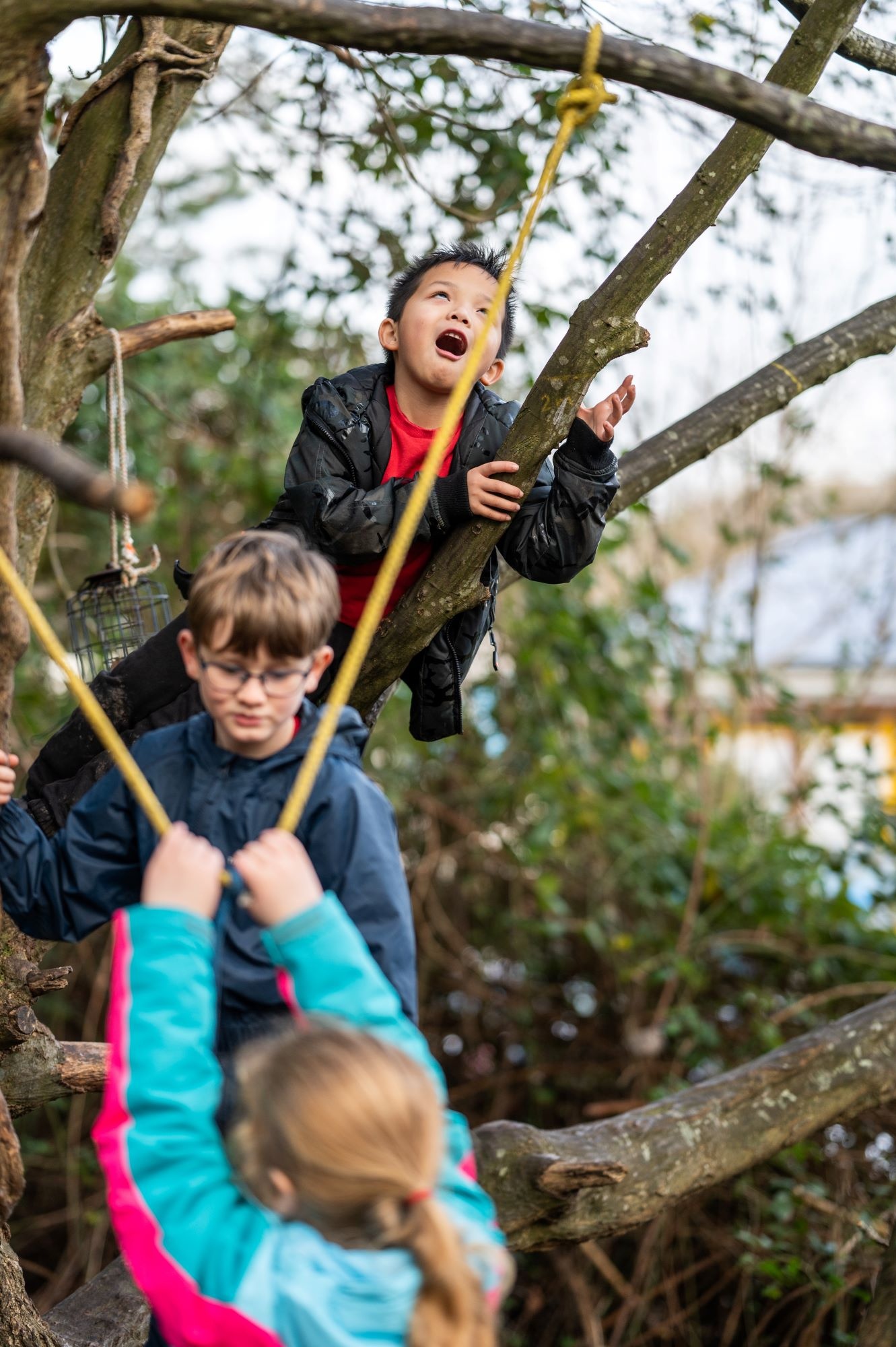
Forest School also helps children continue to develop the Characteristics of Effective Learning introduced in the Early Years Foundation Stage, encouraging them to be active, curious, creative and willing to explore.
A Woodland Journey Through Seaton Primary
Our youngest children benefit from the greatest frequency of access to the woodland.
- Reception and Year 1 children take part in weekly Forest School sessions throughout the year.
- Children in Years 2 to 6 take part in dedicated blocks of Forest School learning.
- An extra-curricular Forest School club which runs multiple days a week and provides even more opportunities for children to enjoy learning outdoors.
- Lunchtime forest school provision
The breadth, frequency and expertise that underpin our Forest School provision make it a valued and memorable part of school life.
More Than Forest School
What makes our woodland so special is that it is much more than a place for Forest School lessons.
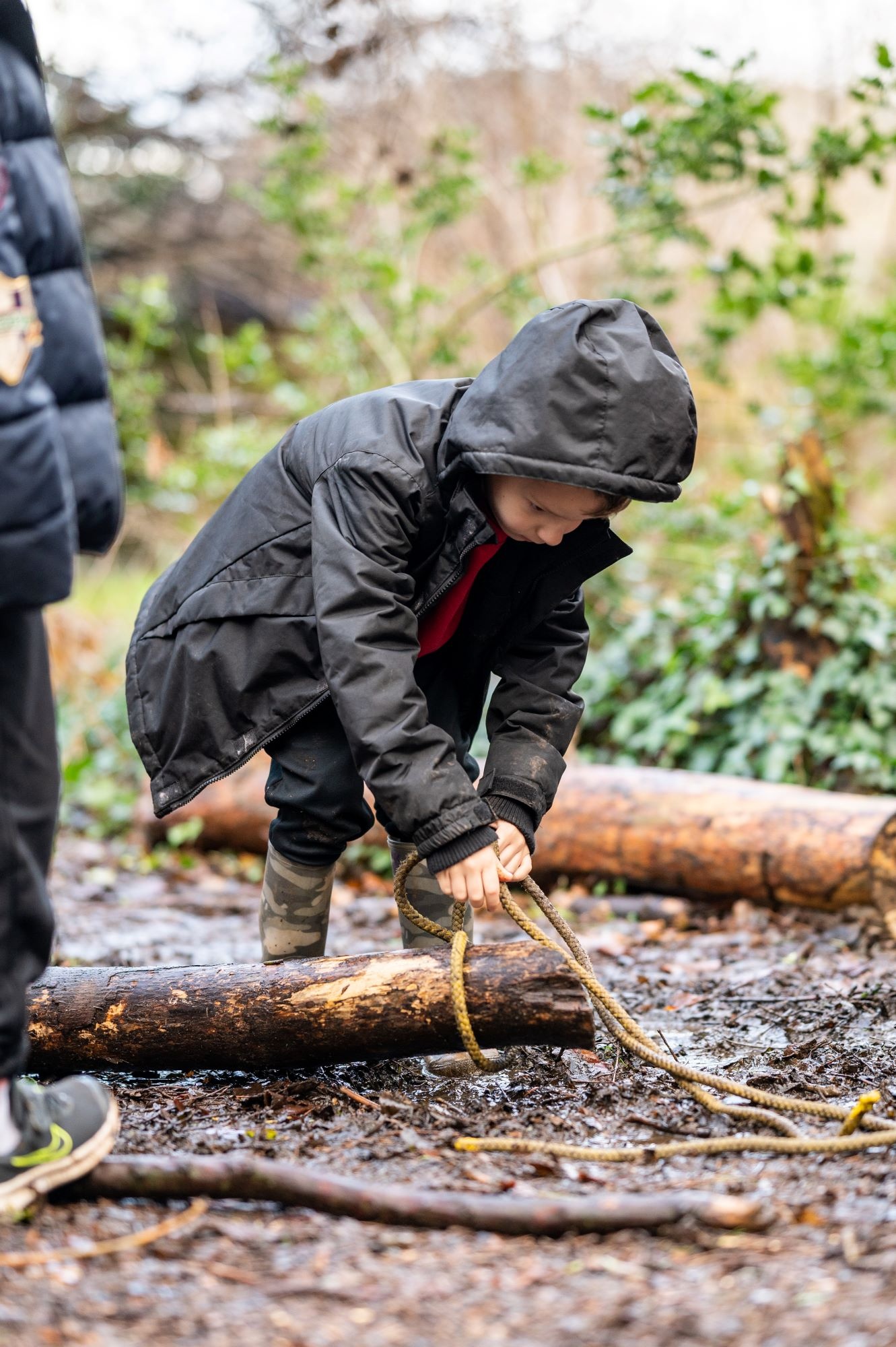
It regularly becomes an outdoor classroom where children write stories beneath the trees, investigate habitats, create artwork inspired by nature, tackle practical mathematical challenges and explore environmental issues first-hand.
Because children return to the woodland regularly, learning feels active, exploratory and hands-on. The woodland provides opportunities to climb, build, investigate, observe, collaborate, create and solve problems in meaningful, real-life contexts.
A Magical Place to Learn
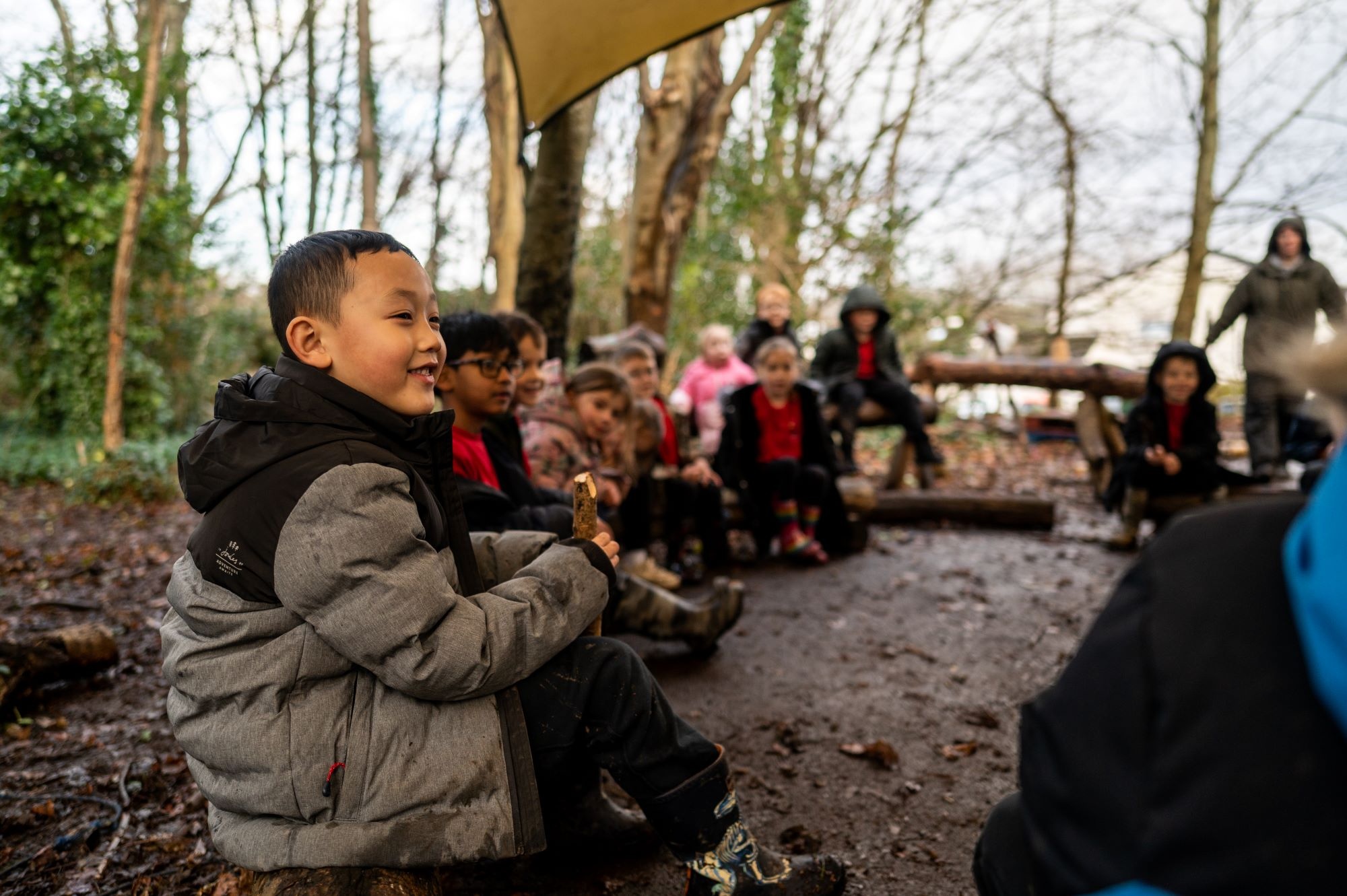
Ask our children about the woods and many will describe them as a "magical place".
It is where dens are built, campfires are shared, wildlife is discovered and friendships grow. It is a place where children challenge themselves, learn new skills and experience the joy of being outdoors in every season.
As children move through the school, they return to the woodland time and time again, making new discoveries as they grow older and more capable. For many, it becomes one of the places they remember most fondly about their time at Seaton Primary School.
What will the children need?
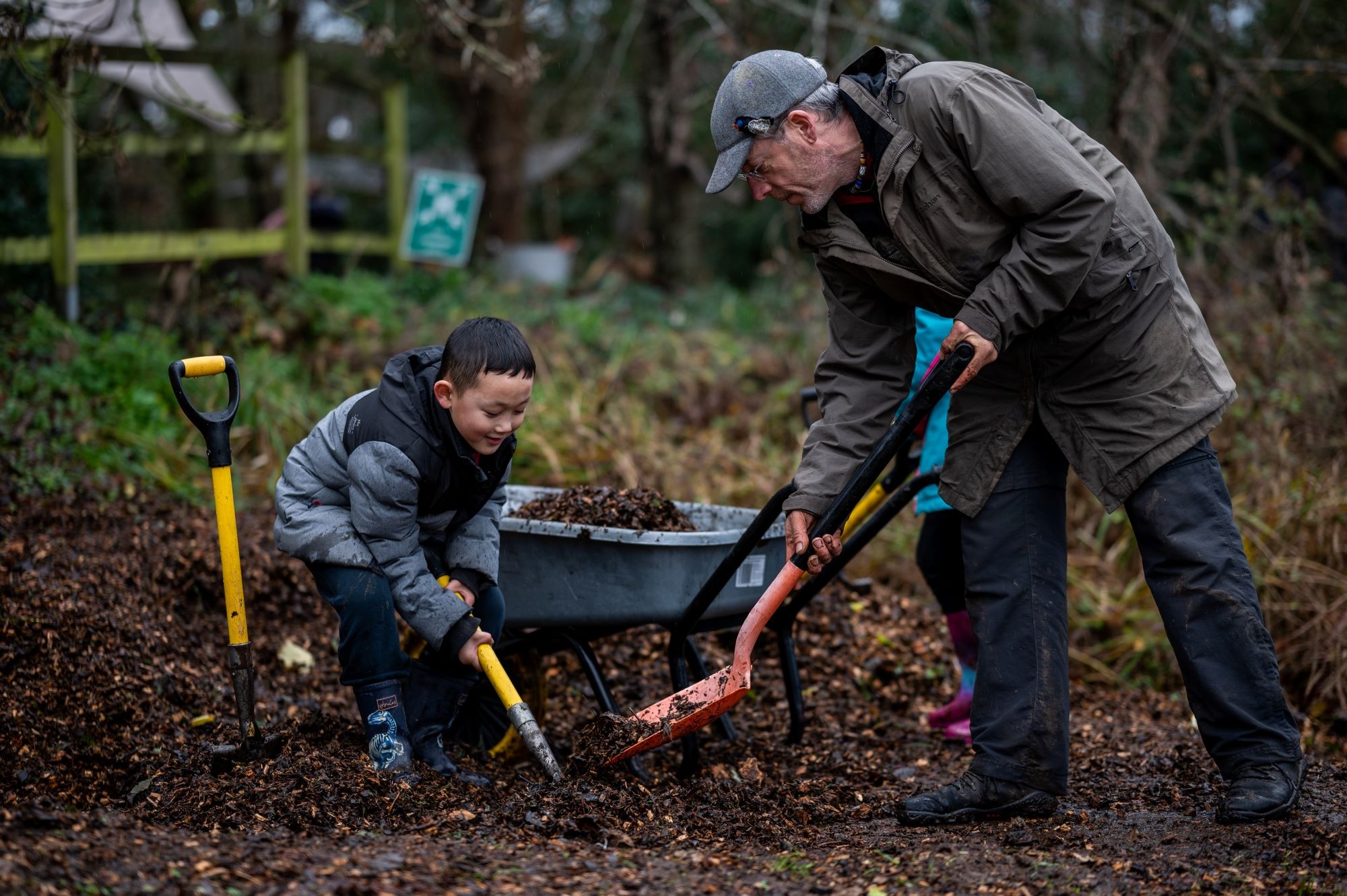
The children may get grubby as we will be in the woodland area for most of our sessions. Wellies and outdoor clothes are ideal… In our opinion a happy muddy child is a healthier child than a clean and frustrated one. Sometimes a change of clothing is needed. The general rule there is no such thing as bad weather, only inappropriate clothing. Natural fibres like cotton and wool, are far safer around fires than synthetic ones.
Suggestions for sensible clothing include:
Wellies, closed toe shoes, waterproof trousers, jackets or all in ones, woolly hats, warm socks (cold weather), sun hat, sun cream (hot weather), long sleeve tops and long trousers to reduce the risk of stings and scratches.